Category Archives: Habitat

Big Lawn? Big Yawn

I had breakfast with a  good friend yesterday who is renting a house as a transition to his next move.  He told me that they are in a neighborhood with an association that requires manicured laws, going so far as to tell home owners which of two types of grass are ‘acceptable’.  Really?

Fortunately we aren’t afflicted with Lawn Police in Peachtree Park, and most homes here have great support for wildlife.  We think they are beautiful and much more interesting than the football field look.  When the sun shines again, we’ll post some photos of our favorites.

Atlanta AudubonCoincidentally, Atlanta Audubon sent out their monthly newsletter today with a great article on their Sanctuary Certification Program.  Cindy Mayer, who heads up their team of trained volunteers, visited our yard as part of the certification process about two years ago.

We learned a lot and it was great fun!  Cindy was awesome. Participating in Audubon’s certification helped us identify things we could do to make our yard better for wildlife and more beautiful.

Hooray for Local!

Virginia Bluebells

Virginia Bluebells

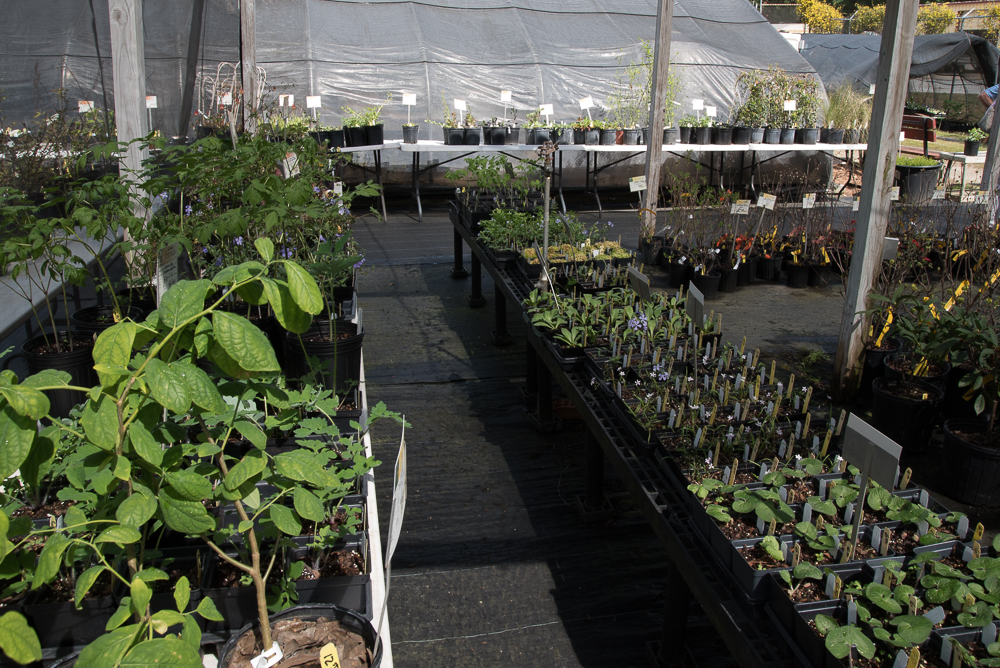
We like to support our local growers.  You are already aware of the wisdom of buying organic food from local farmers.  The same thinking applies to ornamentals, which provide food for wildlife as well as us.

Plants that are the most likely to thrive in your yard will be grown in your area, as opposed to grown halfway across the country and shipped in.  And because these locally grown plants are conditioned to the local environment, they are less likely to have to be be treated with chemicals.  When dealing with a local owner/grower you can get direct, honest answers to your questions. For example if you are trying to avoid damaging neonic pesticides.  And you are supporting people who are doing important work in your area through conservation, restoration, education and other boots on the ground projects.

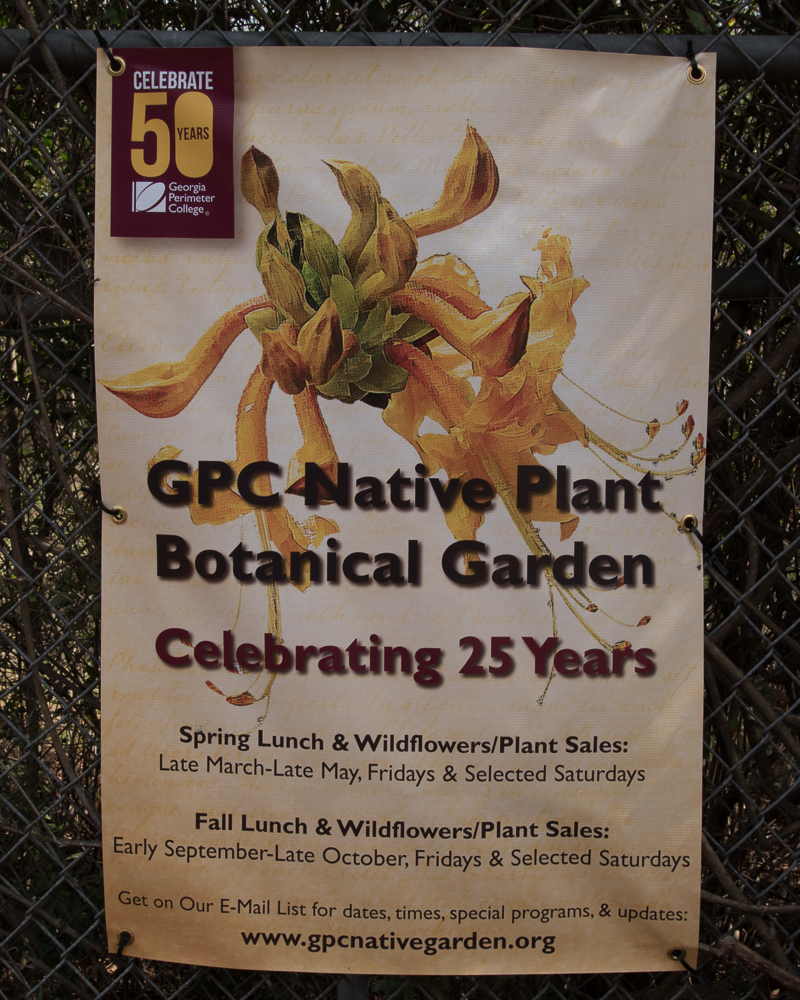
GPCWe think it’s fun to seek out Spring and Fall plant sales run by educational and conservation organizations.  They are small, staffed by very knowledgeable people, have hard to find native species, and often have better prices.

GPCOne event we like in Atlanta is the spring sale on selected weekends in April and May at the Georgia Perimeter College in Dekalb County.  You’ll know you are buying the best possible plants for your garden and the pollinators.  Make time while you are there to walk through their woodland garden area including the Ferns of the World Garden.  It’s stunning.

And GPC is only one source in Atlanta; there are many others.  We suggest avoiding Big Box growers until they change their practices and force their suppliers away from harmful pesticides.  Support local growers instead and do something good for wildlife – and yourself.