

Eastern Garter Snake – non-venomous
Or, in the spirit of Eats, Shoots, and Leaves, Goodness! Snakes. We call this little guy ‘Skimmer’ and he lives in and around our pond. He’s an Eastern Garter snake and harmless to humans.
We’re well into spring and with warmer weather more snakes will be visible. We think snakes are terrific and always feel lucky to see one in our yard or neighborhood.

Eastern Ratsnake – non-venomous
“Terrific? ” you say. We say “yes”, because:
- They are beautiful
- Biologically they are fascinating since they move without limbs
- They benefit our gardens by eating pests such as slugs, crickets, voles and rats
- Snakes are food for others: hawks, owls, raccoons and other snakes
But some snakes can be dangerous so we consulted our friend and local snake expert, Robert Hill. He gave us great information and permission to use some of his beautiful photos.
Here are some things to keep in mind:
- There are approximately 30 species of snakes in and around Atlanta, only 4 of which are venomous and the rest are non-venomous.
- The two harmless snakes most commonly misidentified as venomous in Peachtree Park are Dekay’s Brown Snake and Northern Watersnake.


- In Peachtree Park , the only venomous snake we are likely to find is the Copperhead so it’s a good idea to learn to identify them.


- Most bites result from attempts to catch, handle, kill or otherwise harass snakes.
- Fewer than a dozen people in the entire United States die from snake bites each year.
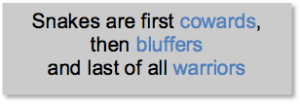 This quote is credited to Clifford H. Pope, a noted American herpetologist and native son of Georgia.
See our Snakes page, which has more photos and information on snakes. There are also additional references and a wonderful poster on venomous snakebites.
If you see a snake, be kind, and give him some room.




 the Intown Hawk