
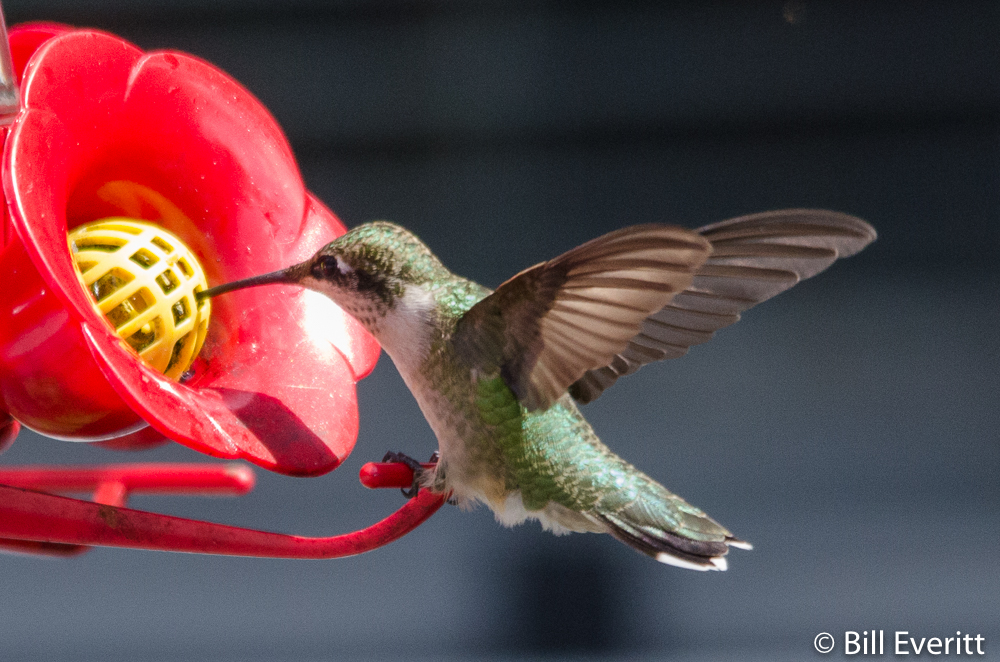
juvenile male Ruby-throated Hummingbird at a feeder in Peachtree Park on September 21, 2016
Do the hummers that you are seeing now seem to be a bit more skittish than the ones that you’ve been seeing all summer? Maybe it’s because the migrants are here, and they aren’t as familiar with their surroundings as the locals. [1]
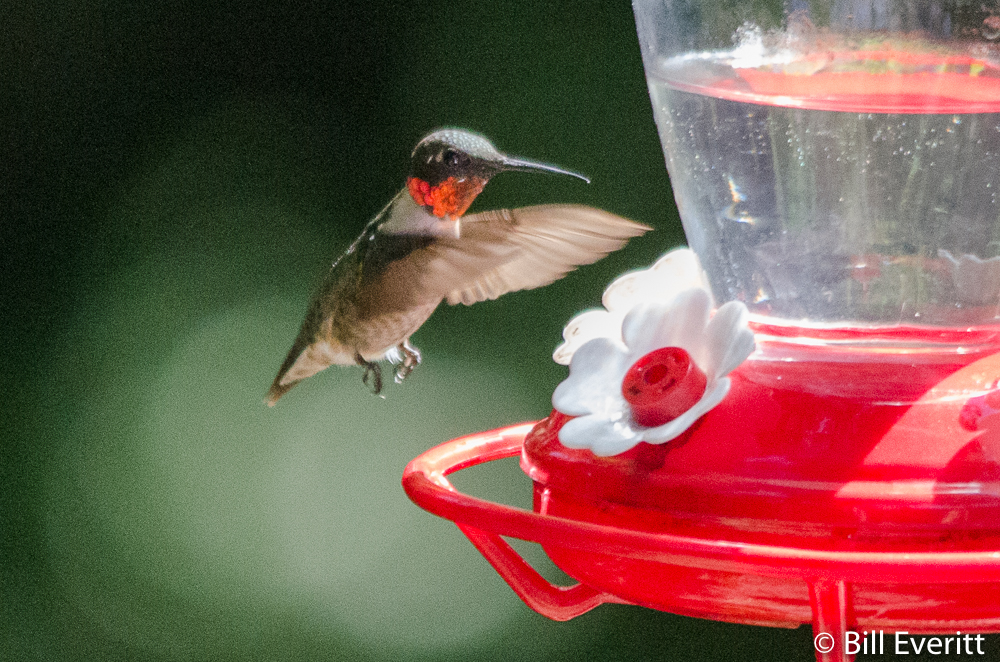
adult male Ruby-throat 9/21/16
Hummingbirds overwinter in Central and South America. [2] Ruby-throated Hummingbirds return to most parts of Georgia in March (in Atlanta, around March 15 – April 1) [2] and usually stay with us until the first week in October. [10] So it’s a great time to enjoy the last days of the locals before they head south, as well migrants passing through from points north.

Black-chinned Hummingbird – Archilochus alexandri
Lady Bird Johnson Wildflower Center, Austin TX
The Ruby-throated Hummingbird is the only species of hummingbird known to nest to Georgia. [4] In fact, it is the only hummingbird known to breed east of the Mississippi River. [11] Our female Ruby- throated hummers produce up to two broods per year. Nests are typically built on a small branch, sometimes rebuilding the nest from the previous year. [4]
However, Ruby-throats are not the only hummingbirds in Georgia. There are 10 others that spend time here in the summer: Black-chinned, Rufous, Calliope, Magnificent, Allen’s, Anna’s, Broad-billed, Green Violet-ear, Green-breasted Mango and Broad-tailed hummingbird. [4]
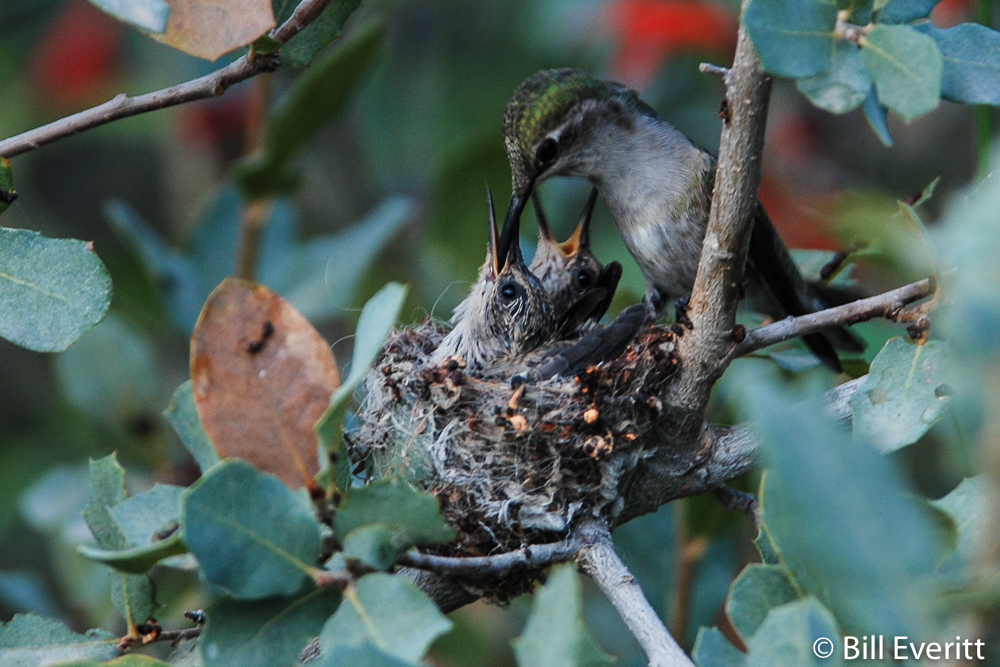
Anna’s Hummingbird – Calypte anna
Desert Museum, Tuscon, AZ
Some hummingbirds do overwinter in Georgia [6] and there are periodic sightings in Atlanta. So, it’s a good idea to keep one feeder up in the winter. Even better, make sure you have pollinator-friendly plants blooming year-round. Witch Hazel, Lenten Roses, and winter bulbs such as Crocus are some examples.
Despite what you may have heard, you cannot keep hummingbirds from migrating by leaving feeders up during the fall and winter seasons. Hummingbirds migrate in response to a decline in day length, not food availability. [5]
We’ve included some links below with additional information on migration, feeding, and overwintering. The first link from Lerner.org will direct you to a dynamic hummingbird migration map and the second link from the University of Georgia has good information on feeding. Also, If you haven’t visited the State Botanical Garden of Georgia’s Hummingbird Trail, you should consider a drive over to Athens.
Hummmmm. Zoom! Zip! We’re outta here.
References and Additional Information
[1] Learner.org – Journey North: Hummingbird: Pushing Southward
[2] UGA: Make Your Backyard a Favorite for Hummingbirds
[3] GA Department of Agriculture: – Plant a Garden for Hummingbirds
[4] Georgia DNR: Hummingbirds in Your Backyard – Interesting Facts
[5] Georgia DNR: Hummingbirds in Your Backyard – Feeding Hummingbirds
[6] Georgia DNR: Out My Backdoor – Creating Hummingbird Havens
[7] UGA: Creating Native Plant Hummingbird Habitat in Georgia
[9] Georgia DNR: Georgia’s Wintering Hummingbirds
[9] UGA: Extension: Attracting Birds to Your Backyard
[10] The State Botanical garden of Georgia: Hummingbird Trail
[11] The Breeding Bird Atlas of Georgia – UGA Press: Schneider, Beaton, Keyes and Klaus, Eds.

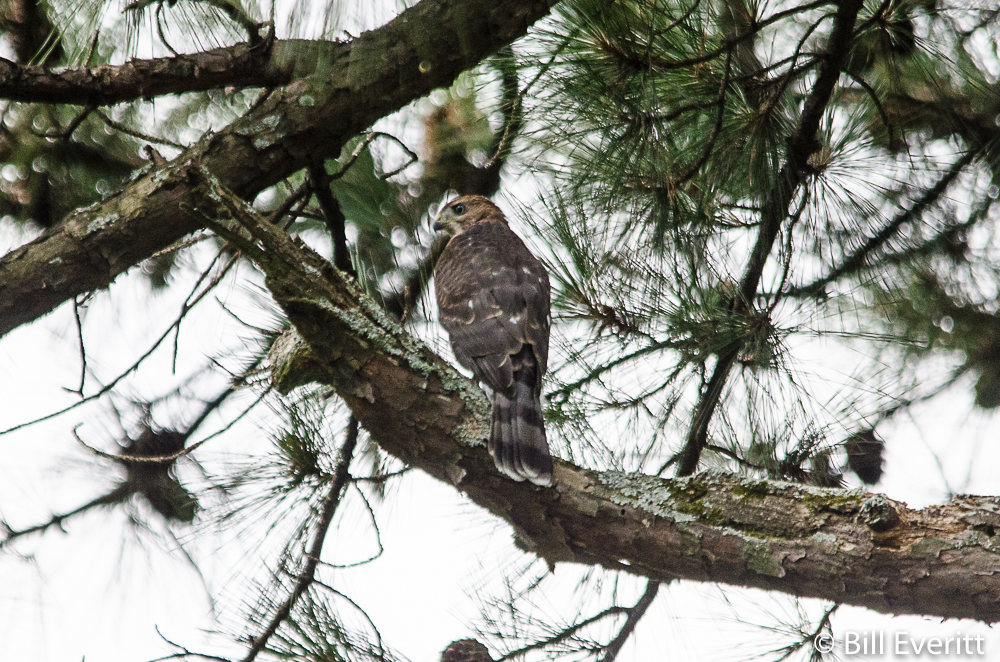

 the Intown Hawk