
Even though it’s been a mild winter, about this time of year we begin thinking of warmer weather and dressing up the yard with annuals, perennials, shrubs and trees. As you ready your yard for Spring, we offer these thoughts:

Native Bee on Blueberry
- Plant with wildlife in mind (this is, after all, a blog about wildlife) – insects, pollinators, birds and critters.
- Include plants that provide nectar, pollen and food. We’ve compiled a list of suggested perennials for your yard that work well here in Peachtree Park.
- Plant for all seasons – aesthetics for you, and food and shelter for wildlife year-round.
- Leave dead stems from plants like River Oats, ornamental grasses, Goldenrod, and Joe Pye Weed in place all winter since the seed heads are valuable for the birds, and hollow stems are used by small native bees. Since we’ve started gardening this way, we’ve realized that our yard is as attractive in the winter as it is in the other seasons (see our post Brown is Beautiful).
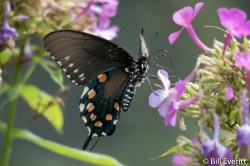
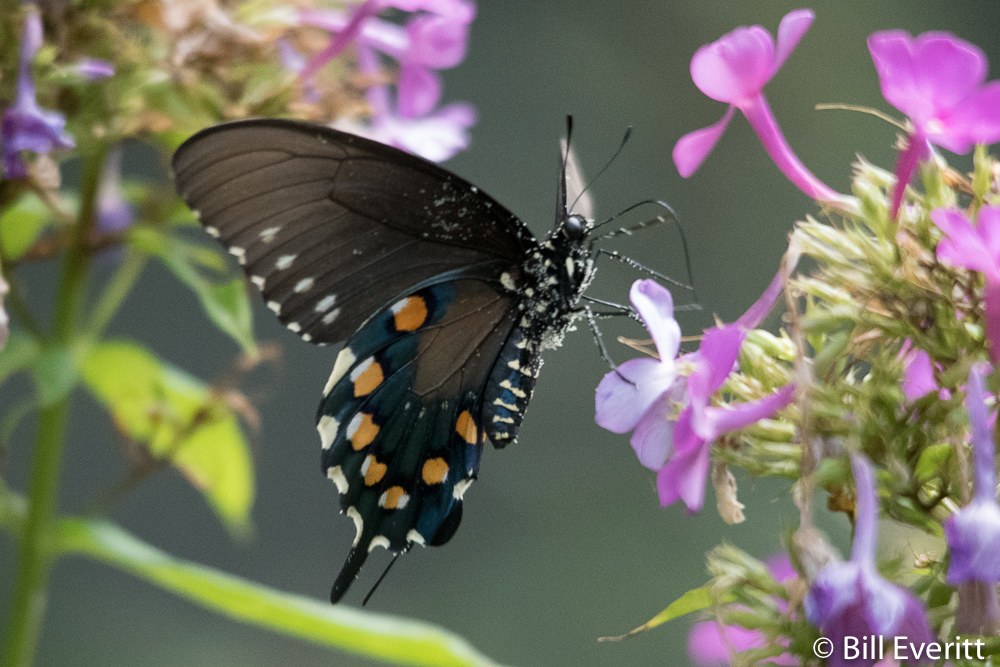
Pipevine Swallowtail Butterfly
- Make more butterflies by including host plants for their caterpillars: e.g. Pipevine for Pipevine Swallowtail caterpillars and milkweed for the Monarch butterfly.
- Use mostly native plants when you can. No need to be a purist, but natives have lots of advantages and there are many wonderful native plant alternatives for common non-natives.
- Expand diversity in your yard. The more diverse, the greater the variety of insects (food for birds) and native bees that you will attract. And, correspondingly, the greater the variety of birds and critters you will attract and support.
- Reserve areas for nesting and hiding.
- Don’t use pesticides and don’t spray for mosquitoes. Build a healthy ecosystem and encourage nature to control pests.
-

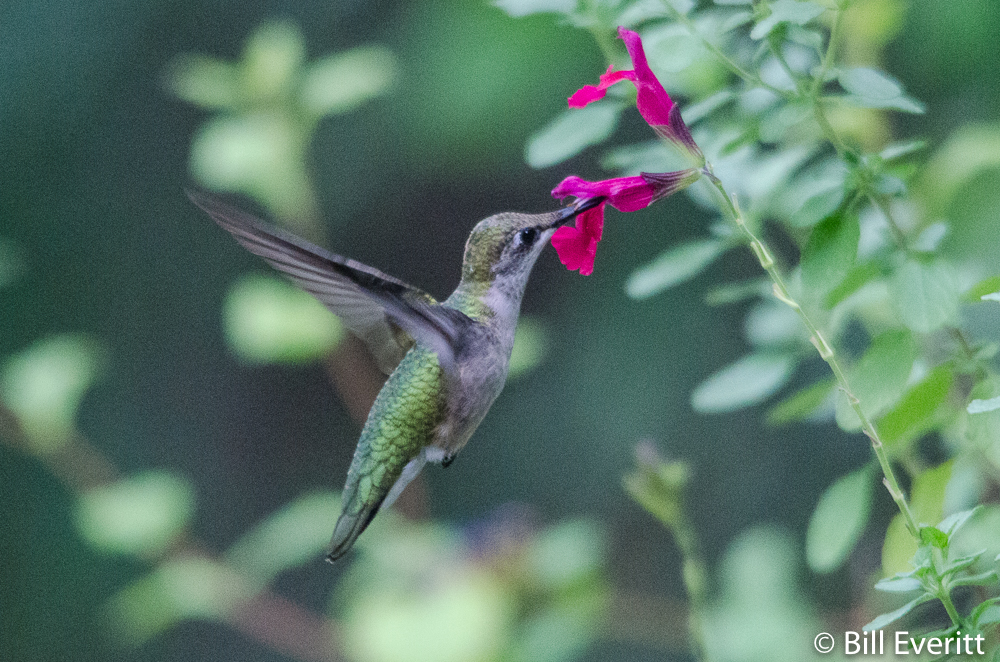
Ruby-throated Hummingbird
Don’t buy plants that were treated with lethal chemicals, especially neonictinoids – support local growers who know their plants’ histories. If you live in Atlanta, there’s a list of suggested growers below.
Nearby Toxin-free Plant Suppliers :
We contacted a few plant suppliers in and near Atlanta and came up with this short list of those who get it. That’s to say they understand the dangers of chemicals, including neonictinoids, and avoid them either by growing their own plants or screening growers for you. These sellers are doing the right thing. It’s good to support them.
- Nearly Native Nursery
- ACE Hardware in Decatur
- Georgia State University Perimeter College – look for their seasonal plant sales
- Georgia Native Plant Society – check website for spring & fall plant sales
- Farmer D
If you shop at a big-box store, ask which plans are toxin-free. They may or may not be able to answer your question, but at least you’ll let them know that it’s important to you.
Credits:
Thanks to Nearly Native Nursery for their list of native plants as alternatives for non-natives.


 the Intown Hawk